Wiped Film Molecular Distillation Equipment: Low Thermal Degradation for CBD Oil Purification
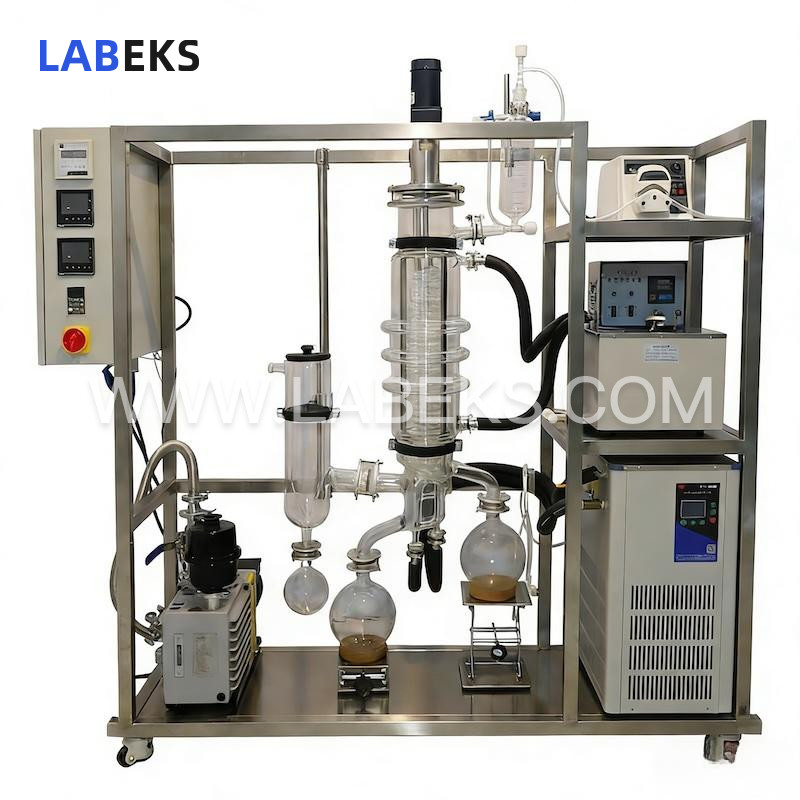
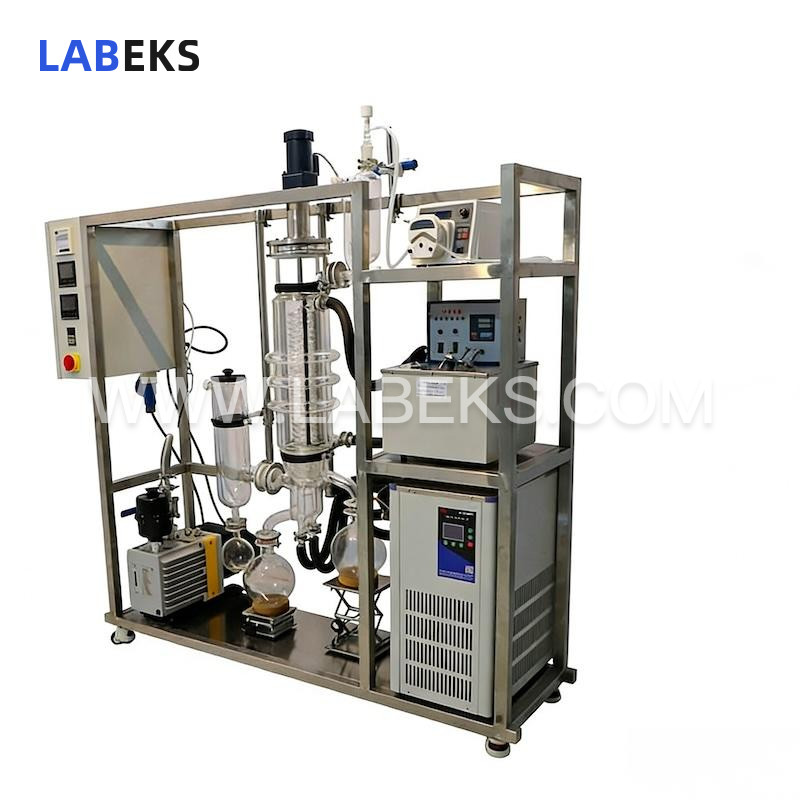
For the separation, purification, and concentration of natural products, complex compounds, and thermally sensitive molecules such as vitamins and polyunsaturated fatty acids, wiped film molecular distillation equipment delivers gentle, precise processing that preserves the integrity of delicate substances.
- modelLMD-A
- brandLABEKS
- min. order1 pcs
- packageplywood case package
description
Molecular distillation is a distillation technique performed under high vacuum conditions. In this environment, the mean free path of vapor molecules exceeds the distance between the evaporation and condensation surfaces, enabling separation of liquid mixtures by leveraging differences in the evaporation rates of individual components within the feed liquid.
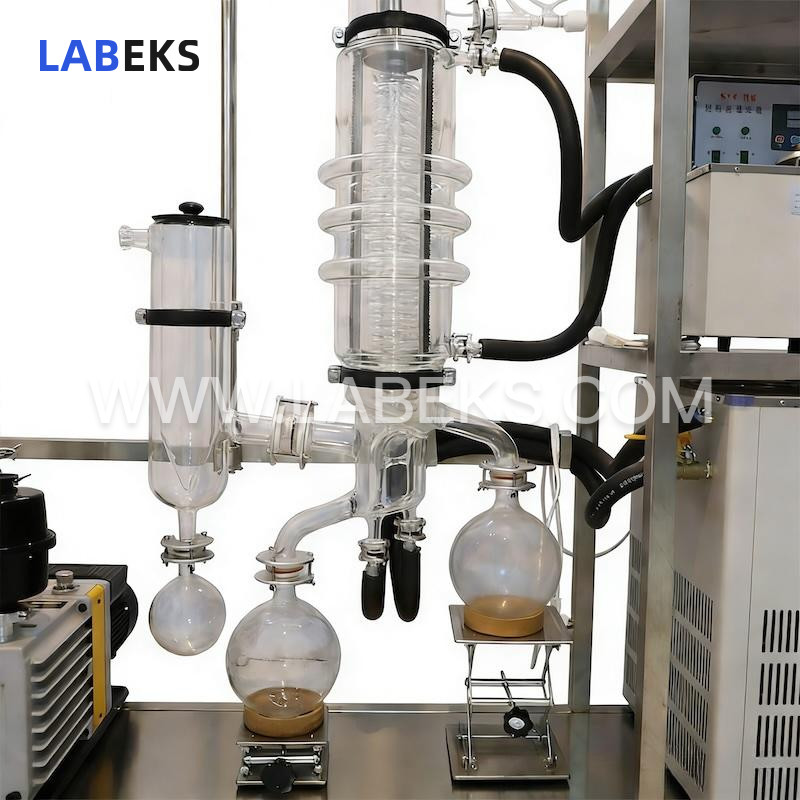
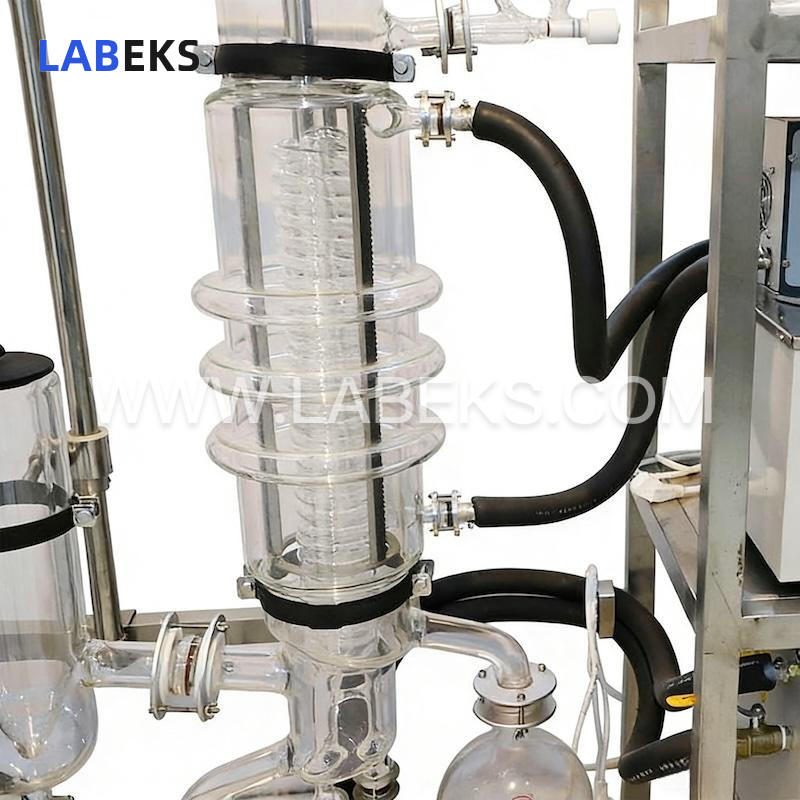
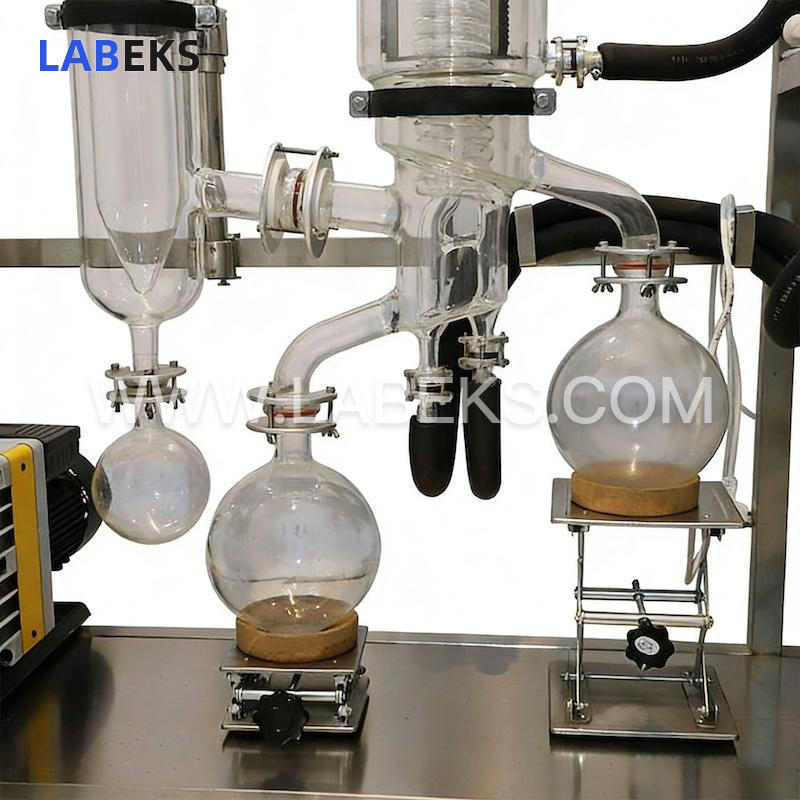
Our wiped film molecular distillation equipment effectively separates volatile from less volatile components across a range of materials including oils, fats, chemicals, polymers, nutraceuticals, and fragrances. Operating via a gentle process, it utilizes the thin-film wiping action of the feed liquid inside a heated cylindrical vacuum chamber (under high vacuum, i.e., vacuum distillation/evaporation) to achieve distillation functionality.
features
1. Ideal separation solution for high-boiling-point, thermally sensitive, and oxidizable materials: Molecular distillation operates at temperatures well below the material’s boiling point with ultra-short material residence times.
2. Effective removal of unwanted substances: It efficiently eliminates organic solvents, odors, and other impurities from liquids, making it highly effective for decolorizing liquids post-solvent extraction.
3. Targeted separation and multi-stage processing: Molecular distillation selectively evaporates target products to remove impurities, and can separate two or more substances simultaneously through multi-stage fractionation.
4. Physical separation process: The fractionation process is entirely physical, providing exceptional protection against contamination and degradation for the separated materials.
5. Low distillation temperature: Molecular distillation operates at temperatures significantly below the boiling point of materials, enabling separation as long as a temperature differential exists—a core distinction from conventional distillation methods.
6. Short material heating duration: The distance between the heated liquid surface and cooled condensation surface is shorter than the mean free path of light molecules, allowing light molecules to reach the condensation surface with minimal collisions. Material residence time at distillation temperatures ranges from seconds to tens of seconds, significantly reducing the risk of thermal decomposition.
7. High distillation vacuum: Molecular distillation systems maintain extremely low internal pressure, creating a high-vacuum environment that prevents oxidative degradation of materials.
8. No boiling or bubbling: Molecular distillation relies on surface free evaporation of the liquid layer. Performed under low pressure with no dissolved air in the liquid, the process avoids boiling and bubbling entirely.
9. Non-toxic, residue-free operation: The process produces pure, safe end products without toxicity, harm, or pollution. It features simple operation with minimal equipment and can separate materials that are difficult to process via conventional distillation.
10. Low energy consumption: Molecular distillation systems have minimal total heat loss, and their unique structural design creates extremely low internal pressure, resulting in far less internal resistance than conventional distillation setups to significantly reduce energy usage.
11. Higher equipment cost: Molecular distillation systems require precise manufacturing to maintain high vacuum levels, including strict material sealing standards and optimized spacing between evaporation and condensation surfaces, leading to higher production costs.
Advantages:
When applied in industrial settings, molecular distillation technology offers clear advantages over conventional distillation, as evidenced by its key characteristics:
specifications
Model | LMD-60A | LMD-80A | LMD-100A | LMD-150A | LMD-200A | LMD-230A |
|---|---|---|---|---|---|---|
Effective evaporator area (m²) | 0.05 | 0.1 | 0.15 | 0.25 | 0.35 | 0.5 |
Barrel diameter (mm) | 60 | 80 | 100 | 150 | 200 | 230 |
Feeding volume (L) | 1.5 | 1.5 | 1.5 | 2 | 2 | 2 |
Processing flow (kg/h) | 0.1-2.0 | 0.3-4.0 | 0.5-5.0 | 1.0-8.0 | 1.5-10.0 | 2.0-15.0 |
Motor power (W) | 120 | 120 | 120 | 120 | 200 | 200 |
Blade material | SS316L +PTFE | |||||
Lifting for receiving flask | YES (2 SETS) | |||||
Cold trap volume (L) | 2 | 2 | 2 | 2 | 2 | 2 |
Operation temperature | RT ~300°C | |||||
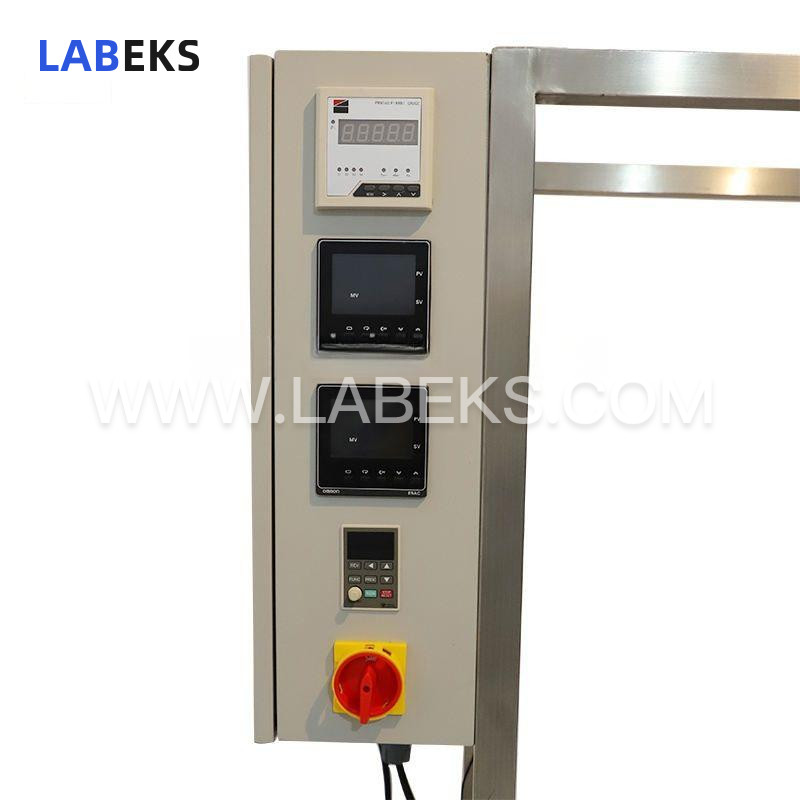
Temperature display meter | Omron brand | |||||
Vacuum degree accuracy | 0.0001Pa | |||||
Frame material | SS304 (SS316 is optional) | |||||
Customized | YES | |||||
Application:
Molecular distillation is used industrially for purification of oils. It is also used to enrich borage oil in γ-linolenic acid (GLA) and also to recover tocopherols from deodorizer distillate of soybean oil (DDSO).
Typical Applications
Fine Chemicals
Separation of nitric acid from organic high boiling liquids
Separation of butane (butyne) diol from high boiling liquids
Recovery of methanol from high boiling liquids
Recovery of xylenol (dimethylphenol) from a purification solution
Removal of hexane from PP and PE waxes
Drying of salt via the evaporation of water and solvent
Separation of phenol from bituminous coal pitch
Distillation of starting products for the production of insecticides
Separation of byproducts in the production of synthetic fibers
Polymers
Distillation of TDI, HDI and MDI (isocyanates)
Final removal of toluene from epoxy resin
Separation of THF from polymers
Distillation of trimethylpropane from high boiling liquids
Recovery of solvents from synthetic resin production
Lactic Acid, starch and sugar
Upgrading and distillation of lactic acid
Upgrading of tartaric acid derivatives
Concentration of sweetening agents
Concentration of modified starch
Pharmaceuticals
Concentration of active ingredient solutions
Distillation of pharmaceutical substances
Upgrading of substances for artificial feeding
Oleochemicals, Fatty Acids,Biodiesel
Separation of dioxin from surfactants
Removal of free fatty acids from mon, di and triglycerides
Distillation of monoglycerides
Distillation of fatty acids from tall oil
Distillation of fatty acid methyl esters
Separation of residual glycerine from residues in biodiesel production (glycerine dryer)
Miscellaneous
Drying of industrial sludge
Drying&pre-concentration of municipal sewage sludge
Drying of hydroxide sludge
Drying of inorganic salt solutions
Drying of preliminary and intermediate products from chemical industry
Drying of suspensions, pastes and moist solids into powder
Drying of lubricants for forging industry
why choose us
Premium Quality with CE & ISO
We conduct 100% performance testing on every unit, ensuring its stable operation and superior performance in your application.
24/7 Expert Technical Support
Our senior engineers are on standby 24/7, ready to provide expert solutions at any time to minimize your operational downtime.
20+ Years R&D & Production
Our deep technical expertise is your solid guarantee for professional and reliable OEM/ODM services.
Trusted in 80+ Countries
Industry leaders and research institutions in over 80 countries and regions rely on our equipment for stable operation.
True Manufacturer, Factory-Direct Price
Bypass the middlemen to get our factory pricing and speak directly with our core engineers.
Rapid & Reliable Delivery
Our extensive in-stock inventory provides a solid guarantee for rapid and reliable global delivery.

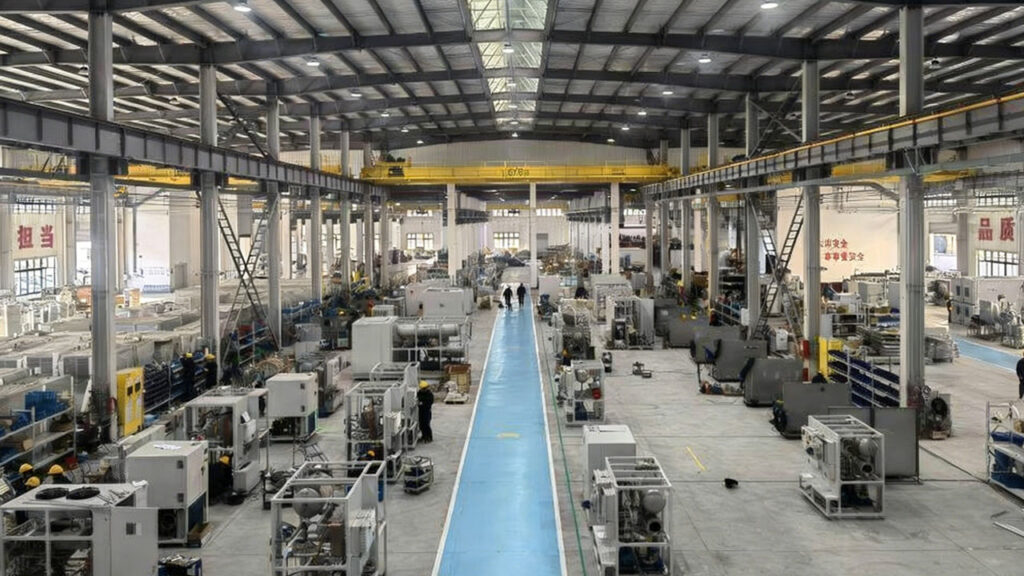
Our Factory
20 Years
58 Experts
20000 m²
7X24 Hours